
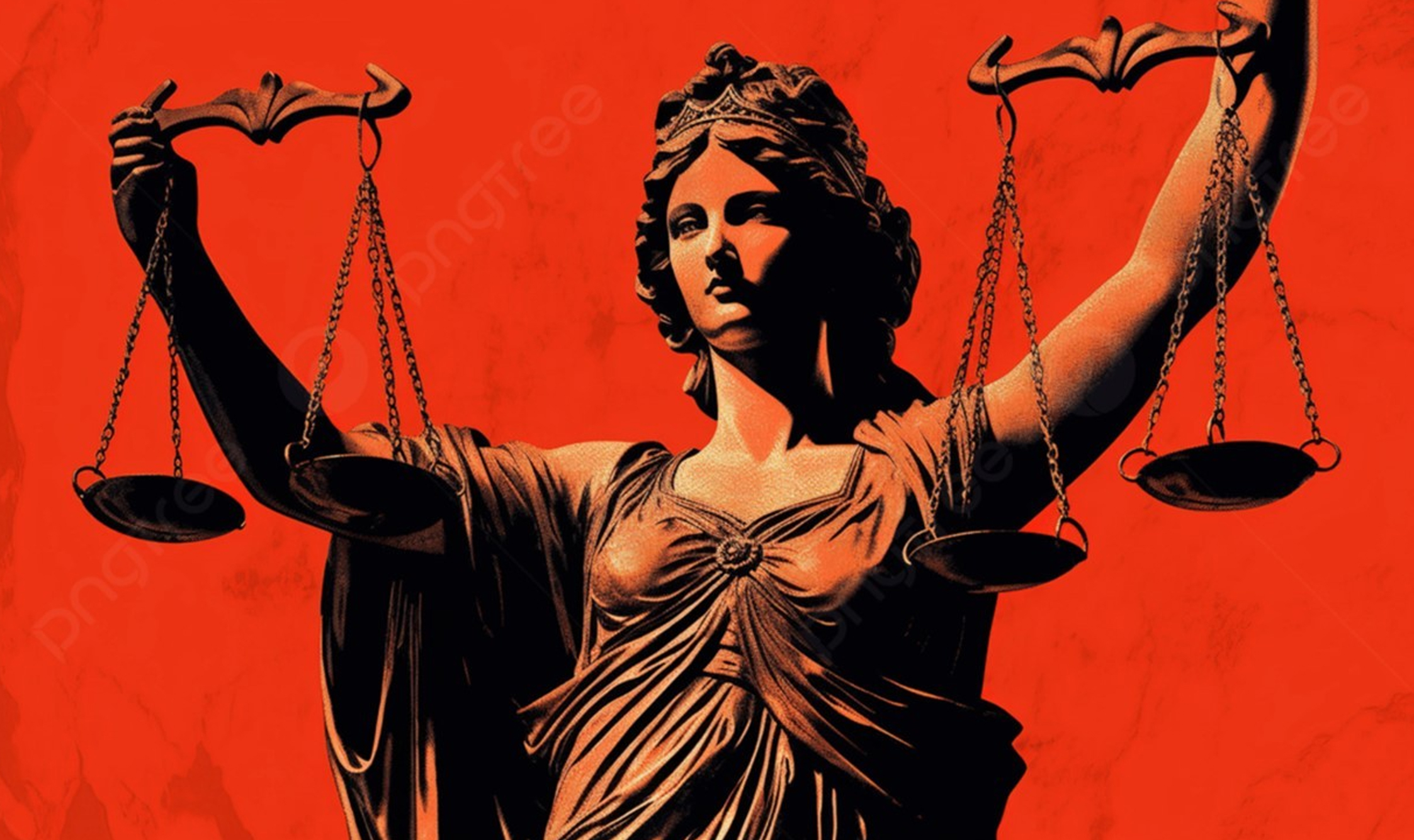
We prefer our justice stories to be presented without any imperfections. A crime occurs first. The investigation leads to the discovery of actual events. The correct individual receives their just punishment. The universe returns to its original state of equilibrium. The structure exists as a familiar system that provides us assurance about system functionality through our belief in its operation during our waiting period.
The stories bring us comfort because they guarantee a return to equilibrium. The stories propose that all wrongs will eventually right themselves. The stories assert that justice will always prevail.
Howard Justice: The Rise of HJ exists to dismantle that comfort.
The story starts from a far more disturbing premise, which claims that justice systems fail because of intentional actions rather than unintentional mistakes. The results of an event begin to take shape before any illegal activities happen. The authorities determine which individuals should receive protection, while others must face danger before any illegal activity occurs. People who are least capable of handling the damage will experience its full impact by the time the justice system finally presents itself.
The concept of clean justice exists as a falsehood that people accept because they find it easier to believe than the actual situation.
Justice as Performance
In the world of Howard Justice, justice often looks correct on paper. Procedures are followed. The organization gives respect to all title holders. The organization conducts meetings, creates reports, and uses language that sounds ethical to validate their decisions. The ethical standards established by the organization require its members to demonstrate their dedication through their behavior.
The authorities possess knowledge about establishing legal frameworks that protect them from any form of public judgment. The authorities possess knowledge about establishing legal frameworks that protect them from any form of public judgment. They understand which regulations they must follow while also knowing which ones they can safely disregard. The system gives advantages to people who create a particular image while using exclusion methods to remove those who create interruptions.
Justice in this situation focuses on keeping things hidden rather than pursuing actual facts. The system operates to handle dangerous situations that emerge instead of stopping actual risk from happening.
Who Justice Is Really For
Justice serves stability. It serves continuity. It serves those already positioned to survive its failures. Characters like Wayne Carlisle embody a form of inherited authority that never needs to explain itself. Power moves quietly through wealth, influence, and institutional memory. Decisions are made far from scrutiny, and consequences are redirected downward, absorbed by those without leverage or protection.
For people like Jasmin Peterson, justice arrives distorted, conditional, and delayed. Her suffering is not an exception. It is a byproduct of a system that functions exactly as intended. She pays the price so others don’t have to.
Violence Without Spectacle
Violence in Howard Justice is not sensationalized. It is intimate, controlled, and deeply personal. The most damaging acts are not always physical. They are bureaucratic. Emotional. Systemic.
- A decision not to intervene.
- A report that never gets filed.
- A conversation that never happens.
The novel insists that violence doesn’t need chaos to be effective. It only needs permission. And once permission is granted, harm becomes routine. This quiet violence is harder to confront because it doesn’t look like cruelty. It looks like a procedure.
Why There Is No Resolution
There is no clean resolution in Howard Justice because a resolution would be dishonest. Systems do not unravel neatly. Trauma does not conclude when the plot ends. Justice, when filtered through power, does not restore what was taken.
The novel ends with exposure and awareness, but the damage remains. The questions remain. That refusal is intentional. Anything else would offer comfort where none exists.
Choosing Discomfort Over Fantasy
Howard Justice is not interested in comforting readers. It asks them to sit with the reality that justice is shaped by those who benefit most from its limitations.
The lie of clean justice is seductive. It allows us to disengage, to believe the system works somewhere, for someone. This book refuses that escape. Justice here is precisely why it matters.
